
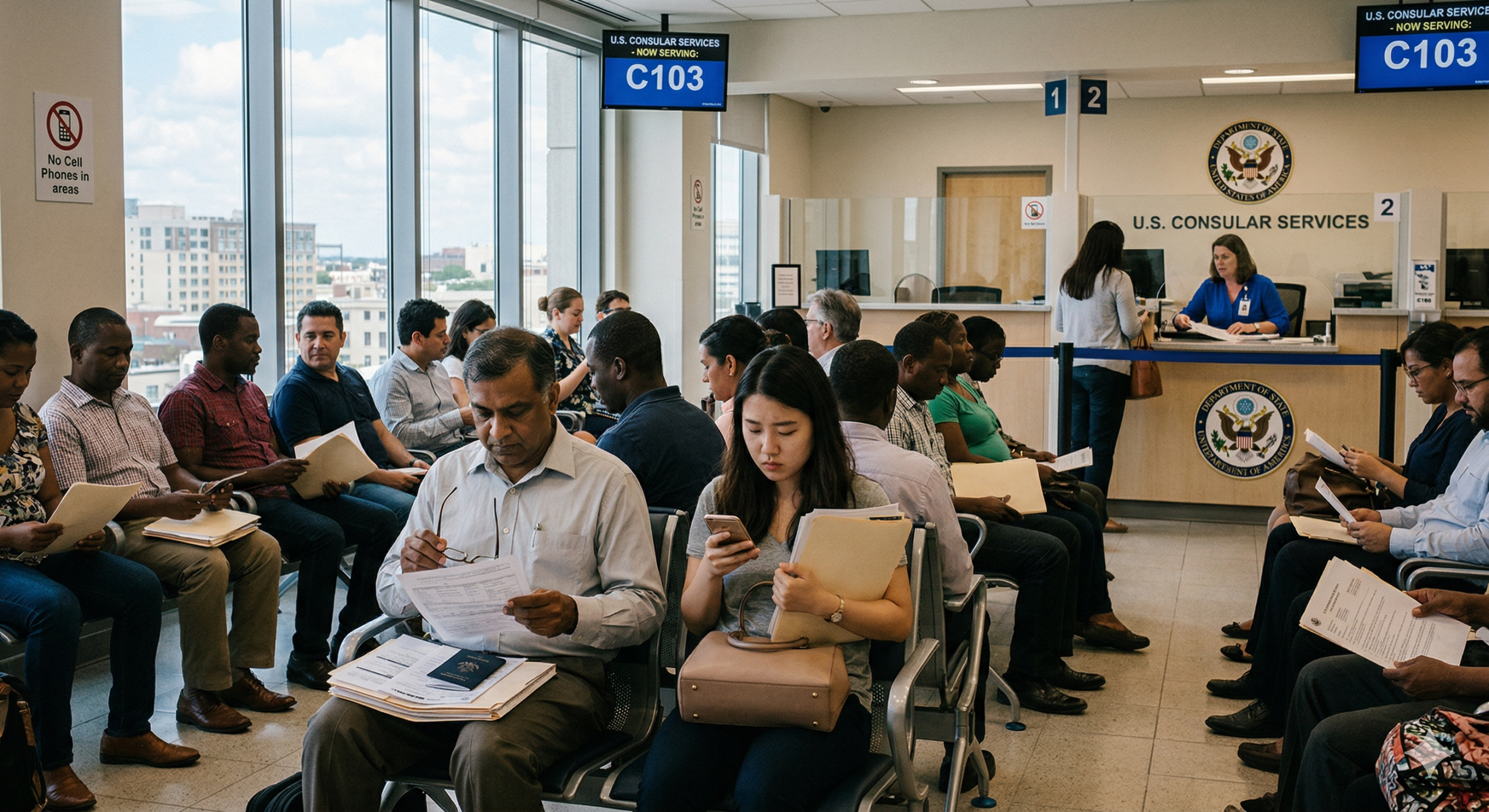
- Understanding Visa Bonds for B1/B2 Visas
- What is a Refundable Visa Bond?
- Purpose of Visa Bonds in Immigration
- New Refundable Bond Amounts: $5,000, $10,000, $15,000
- Who Needs to Post a Visa Bond?
- Criteria for Bond Amount Determination
- Countries Newly Added to Visa Bond Requirements
- List of Affected Countries Including Nicaragua
- Impact on Visa Applicants from These Countries
- How Refunds and Forfeiture Work
- Conditions for Refund of Visa Bonds
- Scenarios Leading to Forfeiture
- Role of Consular Officers in Visa Bond Decisions
- Factors Consular Officers Consider
- Understanding INA 221(g)(3) and Its Implications
- Reducing Overstay Risk Factors for Visa Applicants
- Understanding Visa Overstay Rates
- Tips for Visa Interview Preparation
- What’s Next for Visa Bond Regulations?
Understanding Visa Bonds for B1/B2 Visas
The new visa bond program introduces a visa bond requirement for certain B1/B2 visa applicants starting April 2, 2026. This initiative by the U.S. Department of State aims to mitigate the risks associated with visa overstays and noncompliance. Under this program, applicants from specific countries may be required to post a refundable bond ranging from $5,000 to $15,000, depending on individual circumstances.
Background on Visa Bonds
Visa bonds are financial guarantees that ensure compliance with U.S. immigration laws. They serve as a safeguard against potential overstays or violations of visa conditions. The implementation of these bonds is part of a broader strategy to enhance immigration enforcement and ensure that travelers adhere to the terms of their visas.
The Visa Bond Pilot Program
The pilot program, which began in 2025, has been expanded to include additional countries. This expansion reflects growing concerns about visa overstay rates and the need for stronger measures to ensure compliance with U.S. immigration laws.
What is a Refundable Visa Bond?
A refundable visa bond is a financial deposit made by a visa applicant, which is returned upon the applicant’s compliance with the terms of their visa. This bond acts as a form of insurance for the U.S. government, ensuring that the applicant will not overstay their visa or violate its terms.
Key Features of Refundable Visa Bonds
- Deposit Amount: The bond amount varies based on the applicant’s nationality and the assessed risk of overstaying.
- Refund Process: If the applicant adheres to the visa conditions, the bond is refunded after their stay.
- Forfeiture Conditions: If the applicant overstays or violates visa terms, the bond may be forfeited.
Purpose of Visa Bonds in Immigration
The primary purpose of implementing visa bonds is to deter potential overstays and ensure compliance with U.S. immigration laws. The U.S. government has observed a correlation between certain nationalities and higher visa overstay rates, prompting the need for this additional layer of security.
Addressing Overstay Concerns
According to the [DHS Entry/Exit Overstay Report](https://www.dhs.gov/sites/default/files/publications/2022-09/DHS-Entry-Exit-Overstay-Report-FY2021.pdf), certain countries exhibit significantly higher overstay rates. The visa bond program aims to address these concerns by making it financially consequential for applicants to comply with visa terms.
Enhancing Travel Compliance
By requiring a bond, the U.S. government hopes to enhance overall travel compliance and reduce the incidence of visa violations. This measure is also expected to streamline the visa application process for compliant travelers from countries with lower overstay rates.
New Refundable Bond Amounts: $5,000, $10,000, $15,000
The newly established bond amounts are tiered based on the perceived risk associated with each applicant’s nationality. Starting April 2, 2026, applicants may be required to post one of three bond amounts: $5,000, $10,000, or $15,000.
Breakdown of Bond Amounts
- $5,000 Visa Bond: Typically applicable to applicants from countries with lower overstay rates and minimal compliance issues.
- $10,000 Visa Bond: For applicants from countries that have shown moderate overstay tendencies.
- $15,000 Visa Bond: Reserved for applicants from nations with the highest overstay rates and significant compliance concerns.
Who Needs to Post a Visa Bond?
Not all B1/B2 visa applicants will be required to post a visa bond. The requirement will be determined based on various factors, including the applicant’s nationality, travel history, and specific circumstances surrounding their visa application.
Determining Factors for Bond Requirement
- Nationality: Applicants from countries identified as having high visa overstay rates may be mandated to post a bond.
- Travel History: Previous compliance or violations can influence the decision.
- Purpose of Visit: The nature of the applicant’s visit may also play a role in the bond determination process.
Criteria for Bond Amount Determination
Consular officers will evaluate several criteria to determine the appropriate bond amount for each applicant. This assessment will be based on data collected from previous visa applications and the applicant’s individual profile.
Key Criteria Considered
- Overstay Rates: Historical data on overstay rates from the applicant’s country will heavily influence bond requirements.
- Visa Application History: Previous visa applications and their outcomes will be scrutinized.
- Nonimmigrant Intent: Evidence of the applicant’s intent to return to their home country post-visit is critical.
Countries Newly Added to Visa Bond Requirements
As part of the expanded pilot program, several countries have been added to the list of those subject to visa bond requirements. This includes nations that have recently exhibited increased visa overstay rates.
Newly Added Countries
Countries newly included in the visa bond requirement list include Nicaragua, among others. The addition of these countries reflects ongoing efforts to mitigate immigration risks and ensure compliance with U.S. immigration laws.
List of Affected Countries Including Nicaragua
The full list of countries required to post visa bonds is accessible through the [U.S. Department of State](https://travel.state.gov/content/travel/en/News/visas-news/countries-subject-to-visa-bonds.html). This list will be updated periodically to reflect changes in visa overstay trends.
Implications for Affected Countries
Visa applicants from these countries will need to prepare for the additional financial requirement when applying for a B1/B2 visa. This could impact travel plans and the overall ability to secure a visa.
Impact on Visa Applicants from These Countries
The introduction of visa bonds will significantly affect applicants from the newly added countries. Many may find the additional financial burden a deterrent to applying for a U.S. visa.
Financial Implications
The requirement to post a bond can pose a financial challenge for many applicants, especially those from economically disadvantaged backgrounds. This may lead to a decrease in visa applications from these countries.
Changes in Visa Application Behavior
Potential applicants may reconsider their travel plans or seek alternative destinations due to the added financial requirement. This shift could have broader implications for tourism and business travel to the United States.
How Refunds and Forfeiture Work
Understanding how refunds and forfeiture of visa bonds operate is crucial for applicants. The process is designed to protect both the applicant and the U.S. government.
Refund Process
If an applicant complies with the visa terms, the bond will be refunded after their departure from the U.S. The process is typically straightforward, requiring proof of compliance.
Forfeiture Conditions
Failure to adhere to visa conditions can result in the forfeiture of the bond. This includes overstaying the visa or failing to comply with any other visa terms.
Conditions for Refund of Visa Bonds
Refunds are contingent upon the applicant fulfilling all visa requirements during their stay. This includes returning to their home country by the visa expiration date.
Documentation for Refund
Applicants may need to provide documentation proving their departure and compliance with visa terms to initiate the refund process.
Scenarios Leading to Forfeiture
Several scenarios could lead to the forfeiture of a visa bond. Understanding these can help applicants avoid potential pitfalls.
Common Reasons for Forfeiture
- Overstaying the Visa: Staying beyond the allowed period is the most common reason for bond forfeiture.
- Violation of Visa Terms: Engaging in unauthorized activities, such as working without permission, can also lead to forfeiture.
- Failure to Depart: Not leaving the U.S. by the visa expiration date will result in the bond being forfeited.
Role of Consular Officers in Visa Bond Decisions
Consular officers play a critical role in determining whether an applicant needs to post a visa bond and the amount required. Their assessments are based on established criteria and individual circumstances.
Decision-Making Process
The process involves a thorough evaluation of the applicant’s background, travel intentions, and compliance history. Consular officers utilize data and their expertise to make informed decisions.
Factors Consular Officers Consider
Several factors influence consular officers’ decisions regarding visa bonds. These include historical data on overstay rates and the applicant’s previous visa compliance.
Importance of Nonimmigrant Intent
Demonstrating nonimmigrant intent is crucial for applicants. This includes providing evidence of strong ties to their home country, such as employment, family, and property ownership.
Understanding INA 221(g)(3) and Its Implications
Section 221(g)(3) of the Immigration and Nationality Act relates to the issuance of visa bonds and the conditions under which they are required. Understanding this section is essential for applicants navigating the visa process.
Implications for Applicants
This section outlines the authority of consular officers to require bonds based on specific criteria, reinforcing the importance of compliance with U.S. immigration laws.
Reducing Overstay Risk Factors for Visa Applicants
Visa applicants can take proactive steps to reduce their overstay risk factors. This includes demonstrating strong ties to their home country and providing clear evidence of their travel intentions.
Strategies for Compliance
- Documenting Ties: Applicants should gather documentation that clearly illustrates their ties to their home country.
- Clear Travel Itinerary: Providing a detailed travel itinerary can help demonstrate the purpose and intent of their visit.
Understanding Visa Overstay Rates
Visa overstay rates are a critical factor in the implementation of the visa bond program. Understanding these rates can provide insights into the necessity of the bond requirement.
Current Overstay Statistics
According to the [DHS Entry/Exit Overstay Report](https://www.dhs.gov/sites/default/files/publications/2022-09/DHS-Entry-Exit-Overstay-Report-FY2021.pdf), certain nationalities have significantly higher overstay rates, prompting increased scrutiny and the need for bonds.
Tips for Visa Interview Preparation
Preparing for a visa interview is essential for applicants, especially those from countries subject to visa bonds. Proper preparation can enhance the chances of a successful visa application.
Key Preparation Steps
- Research Requirements: Familiarize yourself with the [US Tourist Visa Requirements: Documents & Eligibility](https://visafortheunitedstates.com/visa-types/tourist-visa/requirements/) to ensure you have all necessary documentation.
- Practice Interview Questions: Engaging in mock interviews can help applicants feel more confident during the actual interview.
What’s Next for Visa Bond Regulations?
As the visa bond program continues to evolve, applicants should stay informed about potential changes and updates. The U.S. Department of State regularly releases information regarding visa regulations and requirements.
Future Updates
Ongoing assessments of visa overstay rates and compliance trends may lead to further adjustments in the visa bond program. Applicants are encouraged to monitor official updates through the [U.S. Department of State — Visa News Index](https://travel.state.gov/content/travel/en/News/visas-news.html) for the latest information.
See also: U.S. Visa Services Paused in South Sudan, DRC & Uganda (May 2026) | FIFA World Cup 2026: Complete U.S. Visa Guide
